




Why glass is the hardest foreign body
Foreign bodies in food come in several forms:
- Metal — easy to detect with a metal detector
- Hard plastic — detectable by X-ray
- Bone, stone — X-ray + visual sorting
- Insects — visual + air current
- Glass — HARDEST — density similar to stone/debris, non-metallic, often transparent
Glass entry points in a cashew processing facility include:
- Broken factory lighting (shards landing on the conveyor)
- Legacy glass equipment (sight glasses, gauges)
- Imported raw-material packaging with glass
- Malicious tampering (rare but must be mitigated)
History of cashew glass-related recalls (US + EU)
- 2017 — Star Snacks / Aldi: 2 lots, 28 states
- 2019 — Kroger: limited recall (metal, not glass, but same family)
- Multiple RASFF cases (EU) over the past 5 years covering cashew + dried fruit
Detection methods
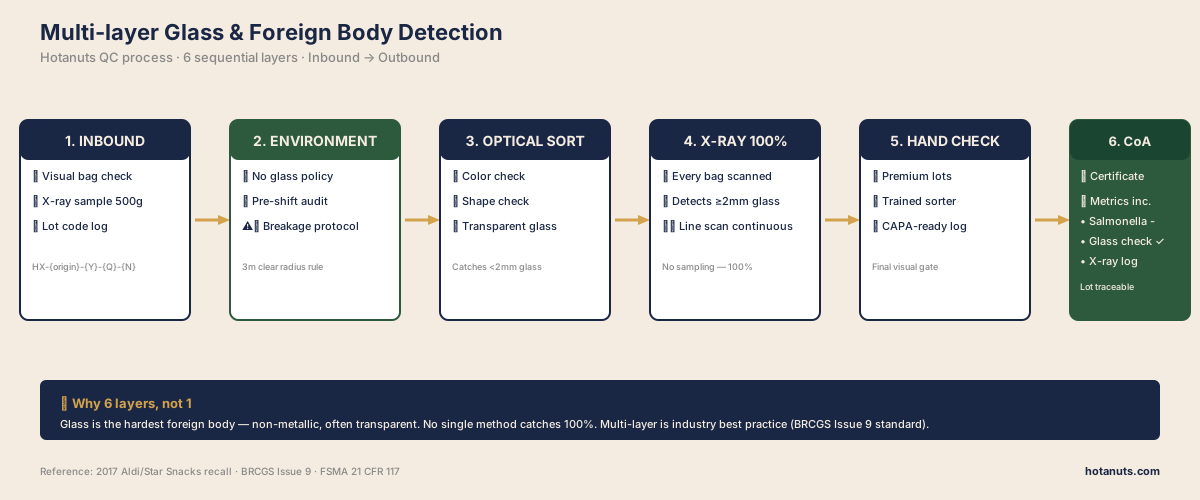
No single method is 100%. Best practice uses multi-layer detection:
- X-ray inspection (line scan) — detects glass ≥ 2 mm
- Optical sorting (color + shape) — catches smaller transparent pieces
- Hand sorting — final check for premium lots
- Inbound raw-material inspection — reject any packaging with damage
- Environmental control — "no glass above product" policy for lighting and equipment
- Documented incident log — every glass breakage triggers a halt, clear radius, inspection
Hotanuts QC process for glass contamination
As Quality Manager at Hotanuts, I require:
Inbound (raw cashew at HCM port)
- ☐ Visual inspection of 80 kg bags — any damaged bag flagged
- ☐ 500 g sample per lot for X-ray screening
- ☐ Log batch with lot code HX-{origin}-{year}-{Q}-{lot#}
Processing (partner factory)
- ☐ "No glass above product" policy — no glass lighting or containers above the conveyor
- ☐ Pre-shift glass inventory check — count all glass items (lights, windows, equipment)
- ☐ On breakage: halt, clear 3 m radius, document, inspect 500+ samples around the incident
Outbound (pre-shipping)
- ☐ X-ray 100% of bags (not sampled)
- ☐ Metal detector back-up
- ☐ QC report signed with traceable lot code
What ships with every Hotanuts export
- Certificate of Analysis (CoA) — moisture, count, defect %, Salmonella, heavy metals
- Incident log excerpt — noting any incidents during the batch cycle
- X-ray screening log (retained 2 years, available on request)
- Lot code traceable to origin + processing date
What international buyers should demand from any Vietnamese supplier
If you are sourcing from Vietnam (or any country), your minimum requirements should include:
- ☐ X-ray inspection line for every lot (not random sample)
- ☐ Documented "no glass above product" policy
- ☐ 24-month incident log
- ☐ BRCGS Issue 9 compliance attestation
- ☐ Sample CoA with Salmonella + glass-check result
If your supplier cannot provide these five items, change suppliers.
Bottom line
The 2017 Aldi case is why Hotanuts built a thorough QC process. We are not only a trade house — we are a QC layer between you and the supply. If you want peace of mind, ask for the full documentation stack — before placing your first container.