



The memorable headline
Per research in Nature Food (Stylianou et al., 2021), substituting 10% of beef/processed meat calories with plant foods + nuts reduces a diet's carbon footprint by 33%.
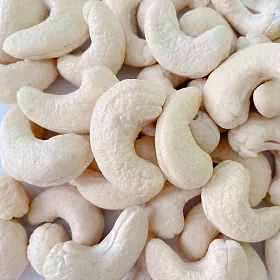
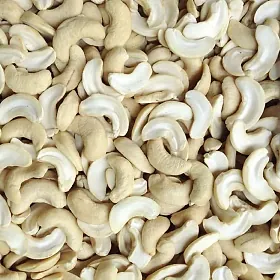
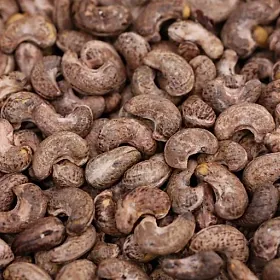
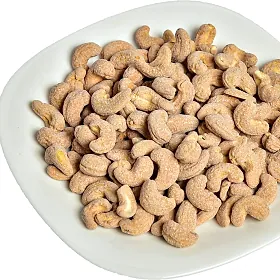
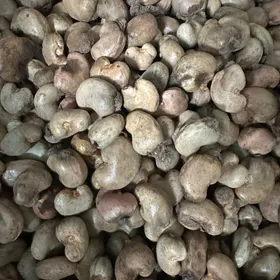
Cashews are part of this "nuts" group.
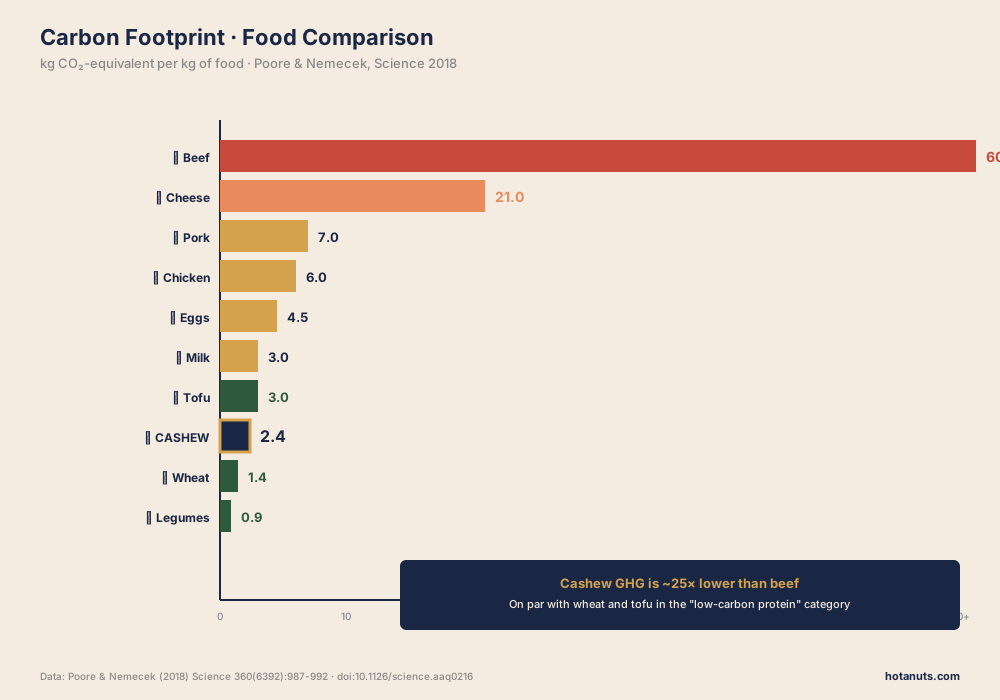
GHG per kg of food (Poore & Nemecek, Science 2018)
| Food | GHG (kg CO₂e / kg) |
|---|---|
| Beef | ~60 |
| Cheese | ~21 |
| Pork | ~7 |
| Chicken | ~6 |
| Dairy milk | ~3 |
| Eggs | ~4.5 |
| Cashew (kernel) | ~2.4 |
| Tofu | ~3 |
| Wheat | ~1.4 |
| Legumes | ~0.9 |
→ Cashew GHG is roughly 25× lower than beef, on par with wheat and tofu. Cashews sit firmly in the "low-carbon protein" category.
Water footprint comparison (Mekonnen & Hoekstra 2011, Water Footprint Network)
| Food | Water footprint (L/kg) |
|---|---|
| Beef | ~15,415 |
| Cashew | ~14,218 |
| Pork | ~6,000 |
| Chicken | ~4,300 |
| Legumes | ~4,000 |
| Rice | ~2,500 |
Transparency issue: cashews have a water footprint close to beef — well above most other proteins. Reasons:
- Cashew trees need water during the growing period
- Processing uses substantial water (boiling, steaming raw cashew before shelling)
- A mix of "green water" (rain) and "blue water" (irrigation and industrial use)
→ Cashews win on carbon, lose on water. Honest framing.
Cashew positive — 3 points your B2B buyer can use
- Low-carbon protein: 2.4 kg CO₂e/kg vs 60 for beef — a 25× reduction
- Plant-based credentials: friendly to vegan, vegetarian, and flexitarian markets
- Perennial crop: cashew trees live 30-40 years — no annual replanting required
Cashew concerns — 2 issues to disclose
- Water-intensive processing: steaming and shelling consume significant water; best-in-class processors have water-recycling systems. Hotanuts is seeking processing partners with water-management systems in place.
- Social concerns in some African chains: labor conditions and fair-pay issues (documented in ACA reports). Hotanuts sources primarily via CIV cooperative-linked suppliers — but we do not yet claim Fair Trade certification (programme in development).
Buyer action — 3 steps to position cashews as "responsibly sustainable protein"
- Cite peer-reviewed: use Poore & Nemecek (Science 2018) or Stylianou (Nature Food 2021) — always with reference
- Avoid greenwashing: do not claim "carbon-neutral" or "climate-positive" without quantified proof plus offsetting
- Include context: compare against alternatives (beef, dairy) — cashews are "sustainable vs beef", not sustainable in absolute terms
Hotanuts commitment (honest 2026 status)
- Not yet: carbon footprint certified for the CIV→VN→EU chain. We are collecting data — target: complete by Q4/2026.
- Already in place: lot-level traceability and shipping-mode transparency (sea vs air — sea is ~90% lower)
- Roadmap: partner with Vietnamese processors that have water recycling; explore Rainforest Alliance farmer training in CIV (the Agrocrops peanut model)